
Growing an edible garden in Colorado can be more than a fun backyard project. When done right, your edible garden will provide you control over what chemicals and pesticides touch your foods, and can promote a healthy, organic diet. It can also save you money on groceries and can serve as a great educational piece for children.
What edible garden areas you’ll learn about:
- Fruit bushes and trees
- Vegetables
- Herbs
As well as how to:
- Encourage pollinators
- Protect your garden from pests
Pikes Peak Urban Gardens says, “growing in Colorado Springs can be daunting because of all of the microclimates, but there are also many edible plants that thrive here and need little maintenance once established. Herbs like rosemary, lavender, chives, and oregano are perennials here in Colorado Springs! Growing edible plants in your garden is very empowering for people of all ages, but kids also enjoy it and feel a sense of ownership and satisfaction when they put care and intention in growing plants. It’s so wonderful to witness a gardener’s pride and joy when they get to harvest the food that they have intentionally grown for themselves, their family and neighbors.”
If you are new to edible gardening, starting out can be simple.
Table of Contents
TL;DR: What can you grow in a Colorado edible garden?
Answer:
Here are some tips from Timberline’s Personal Gardeners that can help you get started:
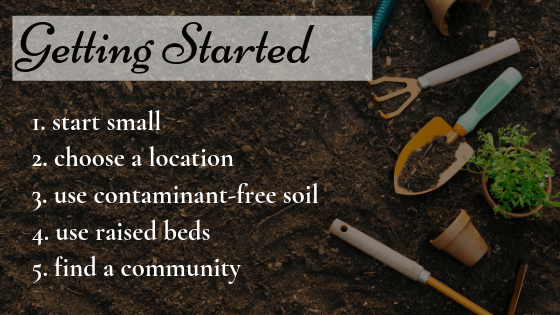
- Start small.
- Only plant things that you absolutely would eat at first, and add more as you start to gain experience.
- Choose a location.
- Pick a space for your garden that receives at least six hours of daylight each day and is accessible to water.
- Soils.
- Use a soil that is contaminant-free.
- Raised Beds.
- To give you more control of the soil and the nutrients that you receive, consider using a raised bed for your garden.
- Find a community.
- Colorado gardeners can help you learn about what grows best in your area. Pikes Peak Urban Gardens provides great classes that can teach you everything you need to know to have a thriving Colorado garden. Like they say, “We all have a ‘green thumb.’ We all have the ability to grow plants, food, herbs and more! Sometimes it takes a little bit of encouragement, guidance, and support to start, and that is what Pikes Peak Urban Gardens is here to do. We take pride in being a resource to the community. Our robust class schedule helps people exercise their ‘green thumb’ and reconnect with the part of themselves that already knows how to garden and grow!”
In Colorado, there are some limitations when it comes to growing your food because of the elevation. However, there are still many kinds of fruits and vegetables that you can grow to make a thriving garden for food.
Starting your seeds indoors is a great way to start harvesting from your edible garden even sooner, regardless of Colorado’s long cold season.
Download our “Increasing the Yield of Your Edible Garden” guide:

Fruits to Include in Your Edible Garden
Edible Fruit Trees
- Apple
- Pear
- Apricot
- Cherry
- Nectarine
- Peach
- Plum
Because of the climate and altitude of Colorado, growing fruits can be difficult. However, there are some fruit trees and fruit bushes that thrive in Colorado weather.
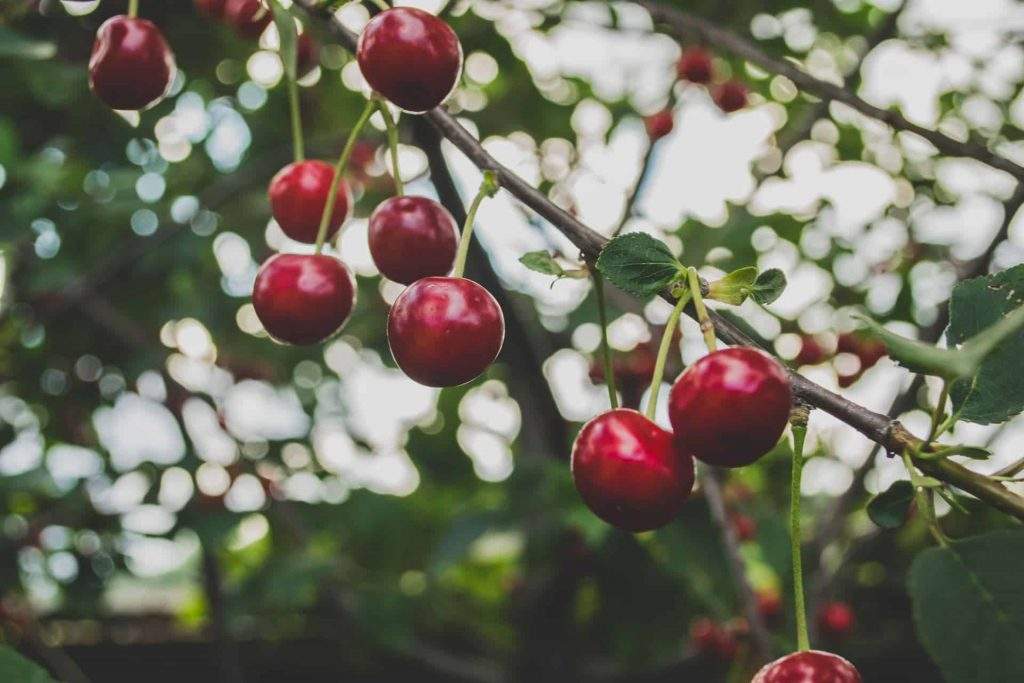
Some fruit trees that thrive in Colorado include apple, pear, apricot, cherry, nectarine, peach, and plum.
Many of these varieties can handle weather up to -25 degrees Fahrenheit as long as they are planted in a protected area (near the home).
Edible Fruit Bushes
- Red raspberries
- Yellow raspberries
- Blackberries
- Strawberries
Vegetables to Include in Your Edible Garden
There are many vegetables you can grow in your edible garden in Colorado – but some grow better depending on the season that you are in: the cool season or the warm season.
Vegetables that grow well in the cool season include:
- Turnips
- Beets
- Kale
- Spinach
- Lettuce
- Peas
- Carrots
- Radishes
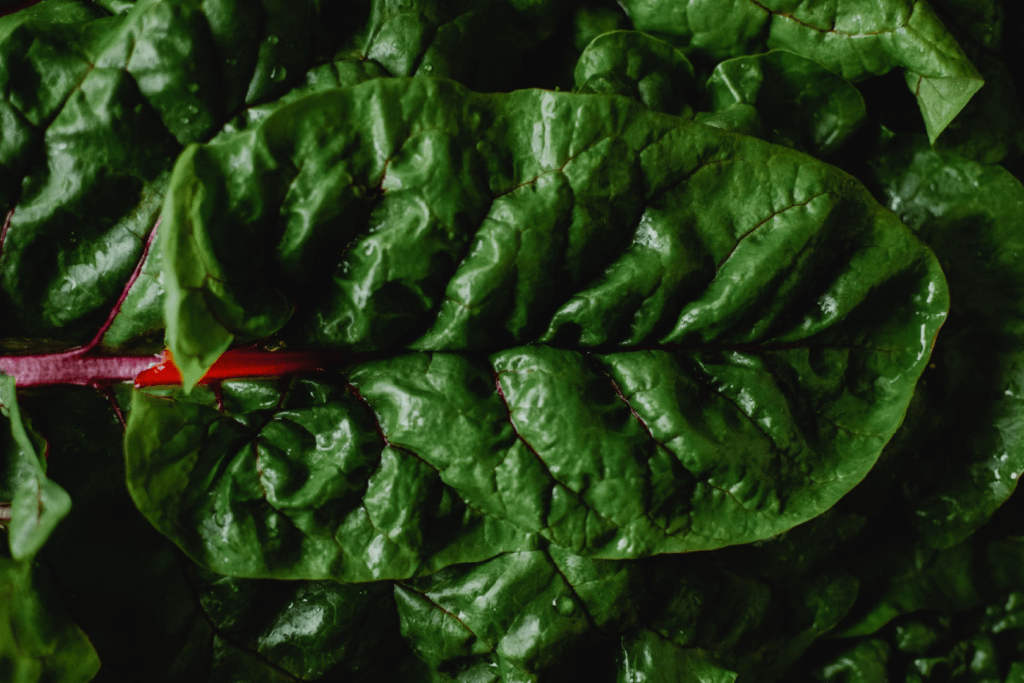
- Chard
- Cabbage
- Parsnips
- Cauliflower
- Broccoli
- Leeks
- Brussels sprouts
- Potatoes
- Onions
- Parsley
Vegetables that grow well in the warm season include:
- Tomatoes
- Peppers
- Eggplant
- Beans
- Cucumbers
- Corn
- Squash
- Melons
Herbs to Include in Your Edible Garden
There are many herbs that do well in Colorado’s climate. Many are even beneficial for attracting pollinators and warding off harmful insects. Herbs are great for beginners and easy to grow. Well-draining soil is a must for growing herbs.
Herbs to Include in your Colorado Edible Garden:
- Mint
- Basil
- Rosemary
- Parsley
- Oregano
- Catmint
- Garden sage
- Feverfew
- Thyme
- Garlic
- Angelica
- Chives
- French tarragon
- Roman chamomile
- Bronze fennel
- Lemongrass
- Lavender
- Lemon balm
From Yard to Table: Growing a Backyard Vegetable Garden provides some useful information on everything from seeding to harvesting your edible garden.
Encouraging Pollinators

As you grow your garden, beneficial insects will play an important role in the health of your plants. Pollinators like bees and butterflies are great for the environment and can encourage more plant growth. Insects like ladybugs feed off of harmful insects as well, protecting your garden. Here’s how to plant for pollinators:
- Utilize companion planting (described below)
- Plant flowers by season in or near your edible garden to keep pollinators coming back
- Utilize native plants
- Avoid conventional pesticides which can hurt pollinators
- Plant-pollinator attracting herbs such as mint, oregano, catnip, garden sage, and thyme
Companion planting is the planting of different crops close together to confuse pests of the whereabouts of their host plant. Companion planting can also encourage pollination and increase overall crop productivity.
Protect Your Edible Garden from Pests
Edible gardens are known for attracting pests. If you aren’t diligent about your pest control, your garden can easily be damaged.
Birds and squirrels are pests that are a bit more difficult to ward off. The best way to prevent these pests is with physical barriers such as a greenhouse or wire net.
Covering your plants with a thin, insect-protecting cover that is pollinator safe can help create a barrier between the pest and the plant. You can also use various pesticides to keep insects away, but this will heavily depend on if you want chemicals to touch your plants or not. There are a number of ways to naturally control pests as well.
Additionally, companion planting can also help prevent pests in your garden.
If you don’t have space for creating a garden at your home, consider a plot in a community garden. Pikes Peak Urban Gardens has options all around Colorado Springs.
At Timberline, we know that starting your food garden can be difficult. Fortunately, we have a team of gardening experts who specialize in gardening for food that can help guide you through it. Contact us today and we are happy to provide you with the pointers you need to get started.
Download the PDF list along with some useful tips:
I’m Elysa Matthews, and I’m with Timberline Landscaping. Today we’ll be talking about how to incorporate an edible garden into your landscape.
Colorado can be hard to grow fruit trees and a variety of vegetables and herbs. It takes a lot of work and planning. You want to make sure that you’re setting them up for success by making sure that, one, they’re right for your zone.
There’s a lot of apple trees that do well in the higher elevations, and that’s about it. There’s not a lot of other fruit trees that do well.
It’s really good to talk about pollinators when having fruit trees because some of them are self-fertile, and that’s great, but a lot require a pollinating tree with them. So, you want to be mindful of that.
It’s also good to plant other plants that are attracting the pollinators to the landscape, and it’s not just the two trees, so they have a better chance of producing fruit.
When planning and planting your vegetable gardens, you want to be mindful of our frost dates since we do have late frosts. You don’t want to be putting the plants in the ground too early and then risk them not surviving the late frost that we inevitably get.
Edible gardens come down to planning. Again, if you’re wanting to have them in a specified bed or if you’re wanting to incorporate them within your perennial gardens, you can definitely do that as well.
Vegetable gardens do require different watering schedules than other perennials and shrubs. So, making sure that you do have appropriate irrigation to them. So, sometimes it is easier to have all those plants in one area rather than having them scattered throughout your garden.
They do require maintenance. Supplemental watering when it is really hot, and again, just making sure that you are providing landscape around them that is attractive to pollinators so you have a good production on your fruit.
If you’re interested in incorporating edible gardens into your landscape, please give Timberline Landscaping a call.