
Skip to content
  • Residential
    • Design & Construction
    • Maintenance
    • Gardening
    • Irrigation
    • Tree Care & Plant Health
    • Outdoor Lighting & Audio
    • Christmas Lighting
    • Lawn Care
  • Commercial
    • Construction
    • Maintenance
    • Irrigation
    • Snow & Ice Removal
    • Tree Care & Plant Health
    • Christmas Lighting
    • Trails
    • Outdoor Sanitation
  • Resources
    • Downloadable Resources
    • Video Library
  • Blog
  • Contact Us
Menu
  • About Us
  • Careers
  • Search
  • Pay My Bill
  • (719) 638-1000
  • Leave a Review
Menu
  • Timberline Landscaping
  • Residential Landscaping
    • Design & Construction
    • Residential Maintenance
    • Lawn Care
    • Gardening Services
    • Residential Irrigation
    • Tree Care & Plant Health
    • Outdoor Lighting & Audio
    • Residential Christmas Lighting
    • Christmas Lights Guide
  • Commercial Landscaping
    • Commercial Construction
    • Commercial Maintenance
    • Commercial Irrigation
    • Snow & Ice Removal
    • Tree Care & Plant Health
    • Commercial Christmas Lighting
    • Trails
  • Resources
    • Downloadable Resources
    • Video Library
  • Contact Us
  • Blog
  • Leave A Review
  • About Us
  • Careers
  • Search
  • Pay My Bill
  • 719.638.1000
  • Linked In
  • Twitter
  • Pinterest
  • Facebook
  • Instagram
  • Youtube

Starting Your Seeds Indoors

  • March 13, 2023
  • Green Living, Lawn Care & Gardening, Project Ideas


There’s a lot that goes into raising a happy seedling, so we’ve put together this complete guide to starting seeds indoors. Follow along to learn about what all you need, and how to get started. We will also discuss transplanting the seeds outdoors, and when the best time is to start the germination process.

Table of Contents

TL;DR: How do I Grow Veg with a Short Growning Season?

Answer:

In Colorado's short growing season, starting seeds indoors in March can give your plants a 4–6 week head start for a thriving summer garden. Gather essentials like a lightweight seed-starting mix, well-draining containers, and optional humidity covers or warming mats to encourage germination. Keep your seedlings healthy by providing moisture, light, and airflow, thinning them as they grow, and labeling each variety. Before planting outside, gradually harden off your seedlings over about two weeks so they can adjust to outdoor conditions.

Get A Head Start On Your Veggie Garden

If there is one thing we know for sure, it’s that Colorado is a place with extreme weather fluctuations. With its sometimes unpredictable weather patterns, the decision of when to plant your gardens outside can add a lot of distress to even the most skilled gardeners. That’s why starting your seedlings indoors can be a great way to get a jump on your garden while you try to wait out Mother Nature and her finicky weather!

Generally, March is an ideal time to start planning and sowing your seeds for your summer garden. Think of it this way: the goal is to start your seeds in March so that your plants are full and thriving by the first of June! With a shorter growing season here in Colorado Springs, giving your veggies a 4-6 week head start will help ensure you have a plentiful harvest and a thriving garden during the summer months! 

Supplies:

There are probably some empty containers lying around your house that would be perfect to start off some seeds with. If not, the supplies are generally fairly inexpensive online or at your local superstore. You’ll want to gather up:

  • Potting Soil
    • For the best results when starting seeds, it’s important to choose a starter potting soil made specifically for starting seeds. This will help ensure germination and provide a strong foundation for your seedlings! Check with your local garden center to help you choose the correct one.  
  • Containers
    • It’s important to remember that seedlings don’t need a lot of space to grow. Ideally, seed trays that have cells that are 2-3 inches wide and deep are best for starting seeds.
    • The most common containers are trays of cells that have anywhere from 4 to 12 cells per tray. You can also use biodegradable seed cups that can be directly planted into the ground or items you may have lying around your home (like Dixie cups or egg cartons). Just make sure that whatever you use has holes to allow for drainage and isn’t wax-coated. No drainage holes? No problem, simply poke some holes in the bottom! 
  • Variety of Seeds
    • You are the captain of your own ship! Choose veggies and flowers for your garden that you and/or your family will enjoy eating the most! Just be mindful of their sun and water needs. 
    • See our guide below on which veggies transplant best.
  • Seed Covers
    • Having something to cover your seedlings when you first start them can be extremely helpful in terms of holding moisture and heat which helps facilitate germination (seed sprouting).
    • You can often find seed starting tray kits that include plastic domes/lids that can be put on top of trays. If you don’t have access to a kit, try using plastic wrap! 
  • Water! Water! Water!
    • Seedlings are sensitive and needy little plants! Make sure you are checking soil moisture daily and watering as needed. Take care not to flood your seed cells, as you will risk having the seeds rot before they have time to germinate. 

Don’t worry about fertilizer just yet. Our experts recommend waiting to use any fertilizers until way later in the game. Chemicals are a lot to handle for little seedlings so it’s best to hold off for now. Organic compost on the other hand can provide a boost of nutrients for the soil. The soil itself needs to be lightweight – heavy soil makes it harder for the sprouts to push out their happy faces. More importantly, remember this:

There are a few key things to focus on when starting seeds: airflow, light, and moisture. You’ll want to make sure you have complete control of all the above. Equipment can help greatly with this, like these all-in-one planter kits available on Amazon. They come with everything you need – even gloves. As we said earlier though, you can get creative with household items such as egg cartons and washed pasta sauce containers.

How To Start & Care For Seedlings

We made it easy to  keep all the info you need about your seeds organized in one place. Plus, we included plant labels you can glue to popsicle sticks so you always know who is who! Download our free seed starting kit below for an easy and stress free approach to starting your seeds indoors. 

Download free seed kit
1. Plant your seeds! 
  • Before you do anything, make sure to consult the back of your seed packets, they are the best cheat sheets for starting seeds! This will tell you the right depth to plant your seeds and take all the guesswork out of it. Always make sure you moisten the soil before seeding as this will help with germination.
  • Let’s get started! Start by moistening up your seed starting mix until it’s evenly damp. Don’t be afraid to get your hands in there! You’ll need to add just a little bit of water at a time as some seed-starting mix is slow to absorb the moisture.
  • Place at least 2 seeds in each cell. This will help increase the probability of germination, and you can always thin them out to one plant per cell once they are larger. Once planted, make sure to water your seeds! Keep track of what you’ve planted by labeling your cells and containers.
2. Position your seed trays in a warm, sunny spot, or under a grow light! 
  • Sunlight is one of the most important factors, next to water, for starting your seeds successfully. If you can get your hands on some grow lights, set them on a 12-hour cycle so that your plants can get strong, consistent light. If not, place your seed trays/containers in a spot that gets consistent/semi-consistent sun throughout the day.

  • Window sills are best, just make sure there are no chilly drafts, as maintaining warm temperatures for your seed babies is very important! If you need additional soil heat, grab a warming mat from your local garden center to warm the potting soil to the ideal range for starting seeds.

  • If you have a humidity dome, attach that now. Keep the little air vents open though as we do want some circulation during this process. If you don’t have a dome, get creative with plastic wrap.
3. Provide consistent moisture!
  • As previously stated, make sure you are checking your soil moisture daily. No need for a fancy moisture meter, just use your finger! Germination is dependent on moisture. You will most likely be watering your seedlings daily if you don’t have a cover. There are a variety of methods you can use, just be sure that the force of water on your seedlings isn’t too strong, especially in the beginning. We don’t want you washing those seeds out to sea!
4. Thin out your seedlings as needed.
  • Once your seedlings begin to germinate, (start to sprout), you will want to thin them out if you originally put more than one seed in each cell. Having more than one plant in each cell will become too crowded, the plants will start to compete and overall growth will be stunted. To do this, carefully pull out one (most commonly the smaller) of the plants, being careful not to disrupt the root system of the other seedling.
transplant seedlings

Moving Your Seedlings Outdoors:

To set up your little seedlings for success, you’ll want to “harden” them off before letting them loose outside. Baby steps are better for baby plants as you’ll slowly be introducing them to the cold and wind. Not too much at a time though, or you could shock them.

Not hardening off your plants first means the first time the temperature dips below average, your plants may die. It’s about slowly increasing the light while slowly exposing the plant to lower temperatures and wind. You can do this by leaving them outdoors for a few hours a day to become accustomed to the elements. Expose the plants to more direct sunlight and wind each day for about two weeks.

Once your plants are big and hardened off enough, and once temperatures outside have risen and remain consistent, it is time to transport your seedlings to their final destination, THE GREAT OUTDOORS! Some plants take longer to mature before they are ready to move outdoors, ranging anywhere from 3-10 weeks. Our infographic below provides some good ranges using our average last frost date in Colorado Springs of May 16th.

Seed Suggestions

Vegetables That Are Favorable To Start Inside 

Easy

broccoli
Broccoli
cabbage
Cabbage
cauliflower
Cauliflower
eggplant
Eggplant
Hot peppers
Hot Peppers
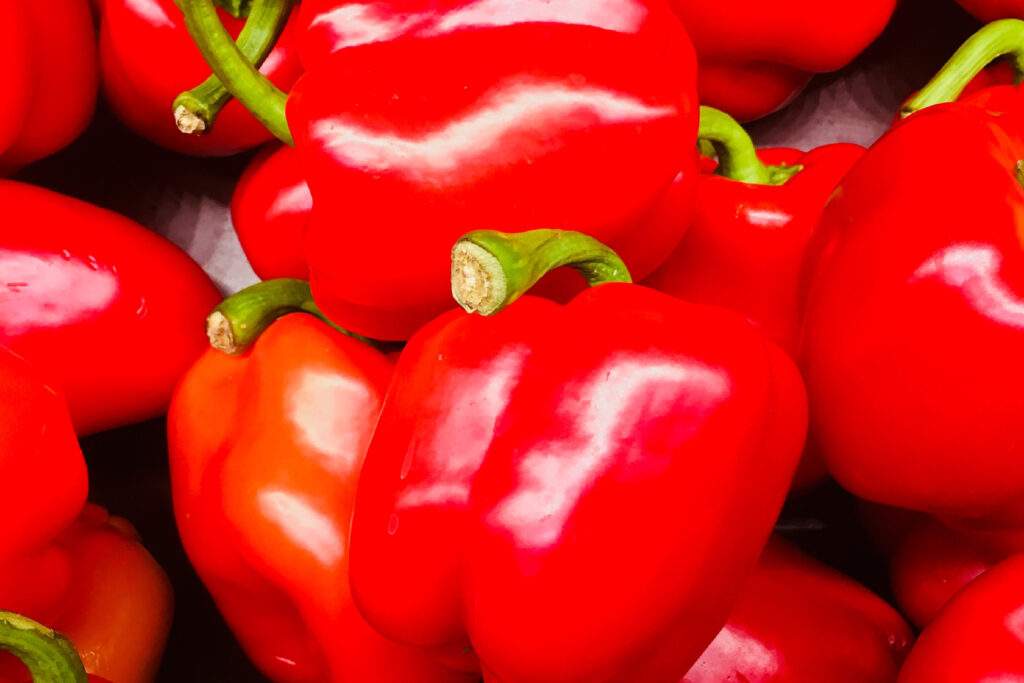
bell pepper
Pepper
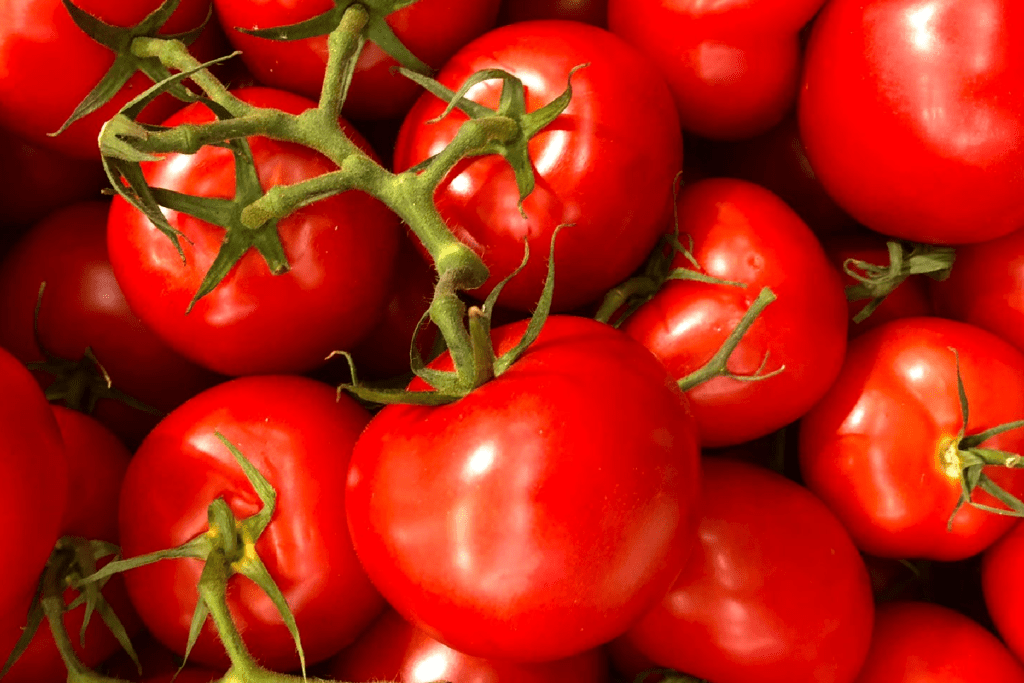
Tomatoes
Tomato
cucumber
Cucumber
squash
Squash

Difficult

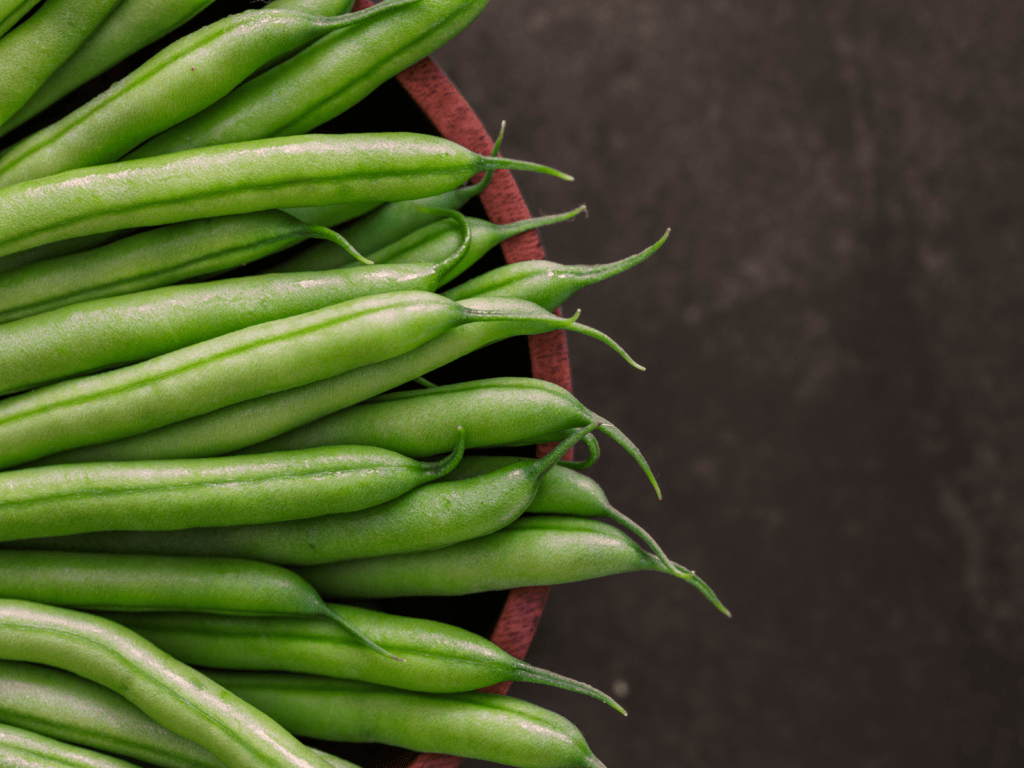
beans
Beans
corn
Corn
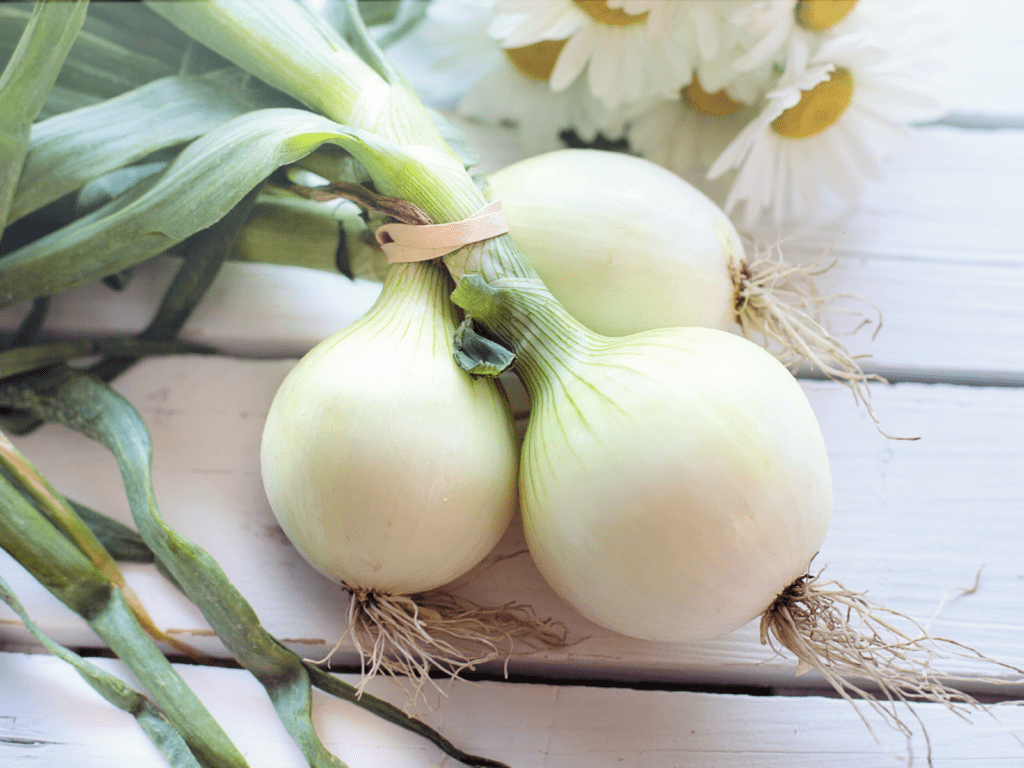
onion
Onion
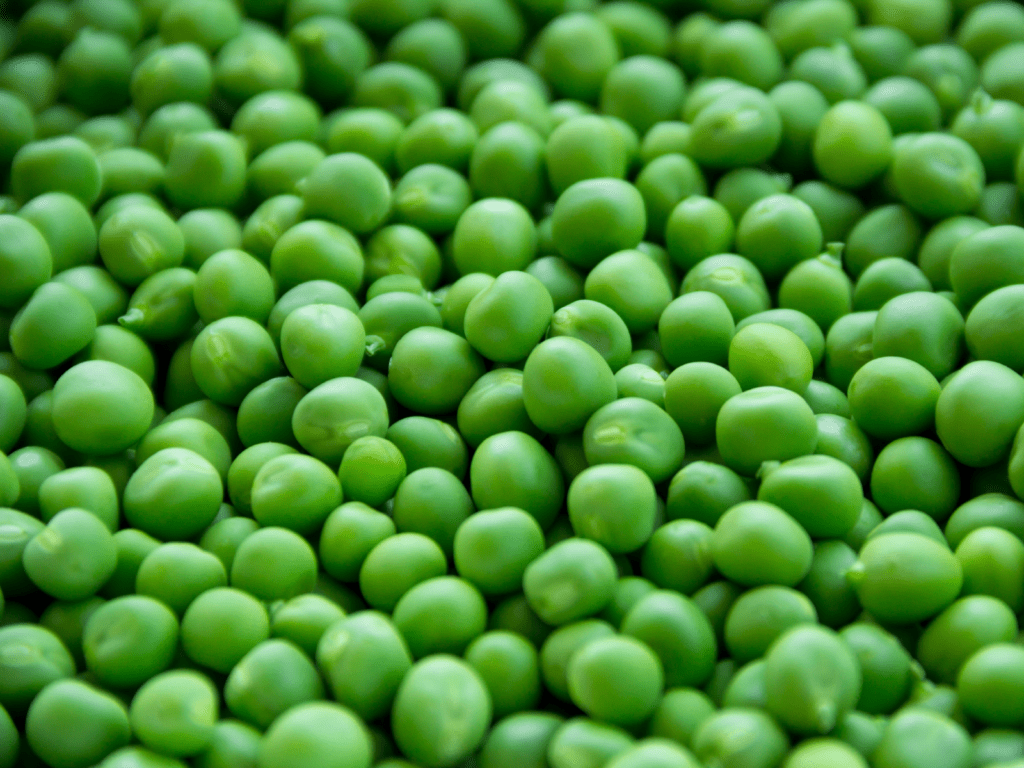
peas
Peas

When To Start

Weeks before the average last frost

3-4 Weeks

  • Corn
  • Cucumber
  • Melon
  • Peas
  • Pumpkin
  • Squash

4-6 Weeks

  • Cabbage
  • Cauliflower
  • Broccoli
  • Kale
  • Okra

8-10 Weeks

  • Eggplant
  • Onion
  • Pepper
  • Tomato

Go Start Your Seeds!

Now you’re an expert on starting seeds indoors! This can be one of the most fun (and tricky) parts of gardening. Investing in some lights or seed starting kits can have a big payoff when you see all the new happy faces sprouting.

Following the above step-by-step guide will get you headed in the right direction but be sure to notice the details on the seed packets as different plants have different needs. Give them what they want, and they will grow big and tall for you! Now who is down for a planting party?!

Good Read? Share With A Friend!

Read On!

Winter Landscape Maintenance Tips for a Healthy Yard

March 6, 2026 No Comments

Winter landscape maintenance plays a critical role in protecting your yard during Colorado’s harshest months—even when everything appears dormant. Winter has a reputation for putting

Read More »
christmas lights guide

Colorado Springs 2025 Christmas Lights Guide

December 1, 2025 No Comments

2026 Countdown Days Hours Minutes Seconds Traditions are important, and we’re honored to be part of yours. The holiday season is here again, and so is

Read More »
Rustic Fall Outdoor Décor: Cozy, Clever, and Perfect for Colorado

Rustic Fall Outdoor Décor: Cozy, Clever, and Perfect for Colorado

September 23, 2025 No Comments

Rustic fall outdoor décor is more than just a style—it’s a Colorado vibe. Crisp mornings, golden aspens, and that unmistakable sound of leaves crunching underfoot call

Read More »
Laying sod for new garden lawn - turf laying

Telltale Signs It’s Time to Renovate Your Landscape (And What to Expect)

September 19, 2025 No Comments

Is your landscape sending out distress signals louder than your neighbor’s leaf blower at 7 a.m.? Maybe your shrubs have taken on that “post-apocalyptic hedge

Read More »
Plant Establishment in Colorado Springs: Why It Takes 3–5 Years for Xeric Plants to Thrive

Plant Establishment in Colorado Springs: Why It Takes 3–5 Years for Xeric Plants to Thrive

September 12, 2025 No Comments

You’ve just installed a brand-new xeriscape full of native flowers, grasses, and shrubs. It looks beautiful, and you’re excited for years of effortless beauty with

Read More »
prepare your landscape for spring - multicolored flowerbed on a lawn. horizontal shot. small GRIP

6 Ways to Prepare Your Landscape for Spring

May 19, 2025 No Comments

It’s time to prepare your landscape for spring — and your yard knows it! In Colorado, that first whiff of warmer air can feel like

Read More »
  • 161Share on Facebook
  • 23Share on Twitter
  • 32Share on LinkedIn
  • 153Share on Pinterest
Recent Posts
  • Winter Landscape Maintenance Tips for a Healthy Yard
  • Colorado Springs 2025 Christmas Lights Guide
  • Rustic Fall Outdoor Décor: Cozy, Clever, and Perfect for Colorado
  • Telltale Signs It’s Time to Renovate Your Landscape (And What to Expect)
  • Plant Establishment in Colorado Springs: Why It Takes 3–5 Years for Xeric Plants to Thrive

What can we help you find today?

Categories
  • Christmas Lights
  • Commercial Landscaping
  • Green Living
  • Irrigation & Water Conservation
  • Landscape Design
  • Landscape Maintenance
  • Lawn Care & Gardening
  • Our Work
  • Outdoor Lighting
  • Outdoor Living
  • Plant Guides
  • Project Ideas
  • Purchasing Tips
  • Residential Landscapes
  • Spring/Summer Tips
  • The Incline
  • Trail Building
  • Tree Care & Plant Health
  • Winter/Fall Tips

Sign up for our free educational newsletter!

Contact us

8110 Opportunity View,
Colorado Springs, CO

(719) 638-1000

Timberline Landscaping is part of the TimberlineOne family of companies, cultivating better places to live, work, and play.

8110 Opportunity View,
Colorado Springs, CO
719.638.1000

Timberline Landscaping is part of the TimberlineONE family of companies, cultivating better places to live, work, and play.

Linkedin-in Twitter Facebook-f Pinterest-p Instagram Youtube
Arrow-up
Linkedin-in
Twitter
Facebook-f
Pinterest-p
Instagram
Youtube
A TimberlineOne Company

Privacy Policy | HTML Sitemap | XML Sitemap | Terms of Service
© 2026 Timberline Landscaping